Peptone Water
Used for cultivating non-fastidious organisms, for studying carbohydrate fermentation patterns and performing the indole test.
Category Microbial Culture Media
Catalog Number: AS-1323
- Description
- Composition
- Quality Control
- Microbial Test Results
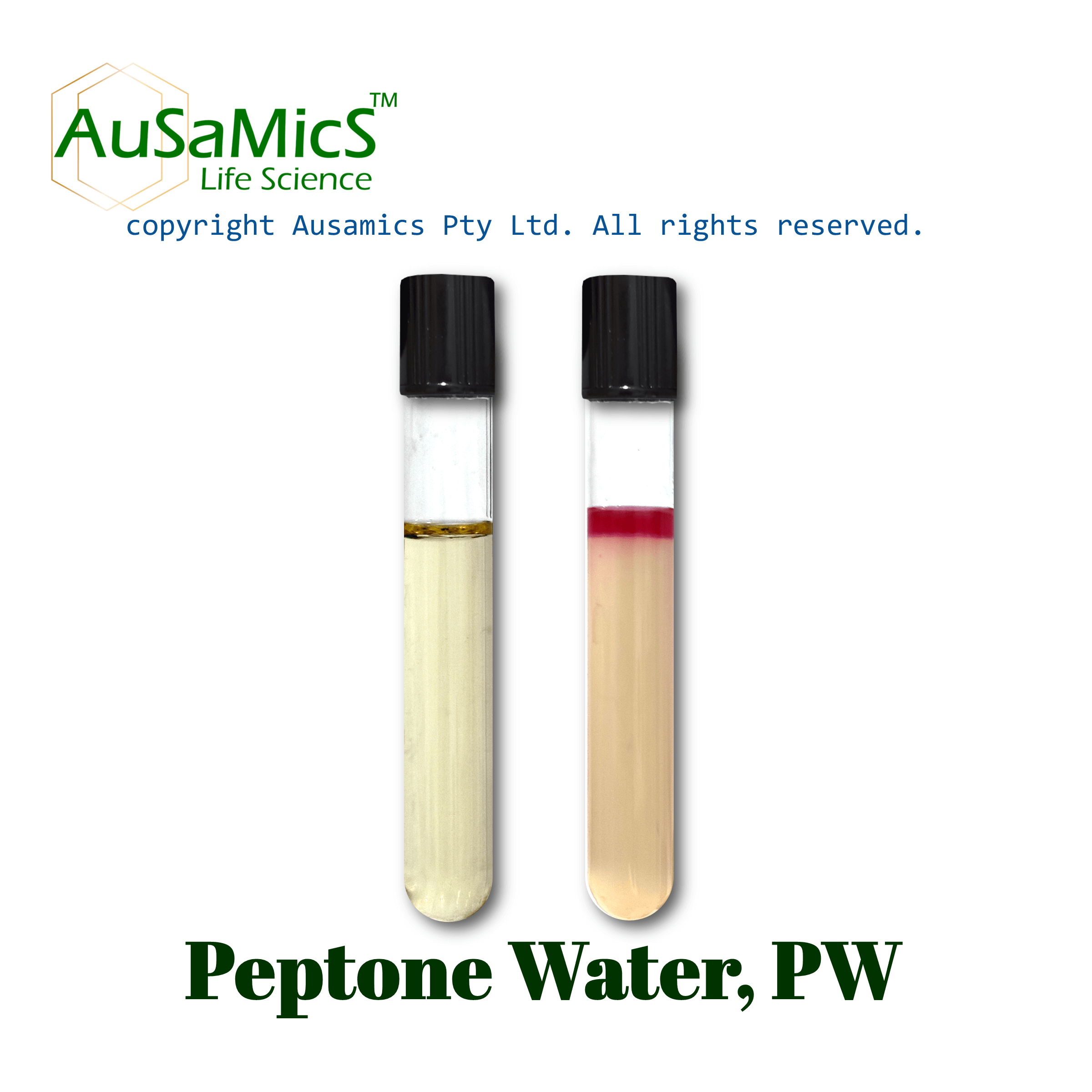
A versatile basal medium, peptone water is mostly used to cultivate microorganisms. Because of its peptone-rich nature, it is particularly appropriate for research on the production of indole. The addition of Kovacs’ or Ehrlich’s reagent makes it easier to identify indole because tryptophan is present in the peptone.
Furthermore, studies for the fermentation of carbohydrates are perform using Peptone Water. The addition of carbohydrates and a pH indicator such as phenol red and the use of Durham tubes to detect the creation of acid and, in particular conditions, the formation of gas.
When the medium’s pH increases to 8.4, it can be used to cultivate and enrich Vibrio species. Essential sources of carbon and nitrogen are supplied by peptone, and the osmotic equilibrium is preserved by sodium chloride.
Peptone water, also known as tryptone water, is frequently used in indole production assays on water and food samples to identify Enterobacteriaceae, which includes Escherichia coli.
Storage
Keep the container at 15-30 °C and prepared medium at 2-8 °C.
| Composition | gr/L |
| Peptone | 10 |
| Sodium chloride | 5 |
| Final pH at 25°C | 7.3 ± 0.2 |
| Dehydrated Appearance | White to light beige, free flowing, homogeneous. |
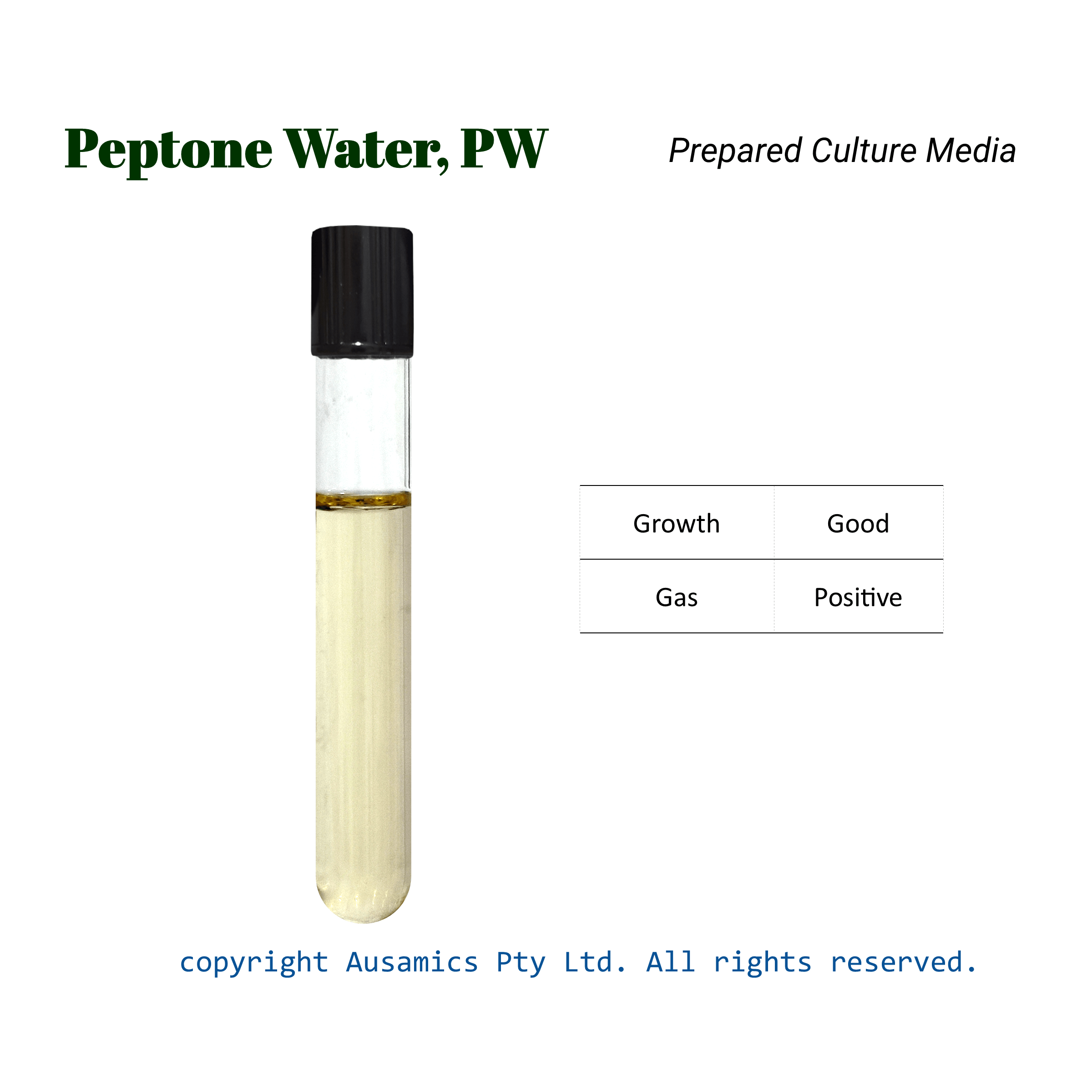
| Prepared Appearance | Light to medium amber, clear to slightly opalescent. |
| Reaction of 1.5% Solution at 25°C | pH 7.3 ± 0.2 |
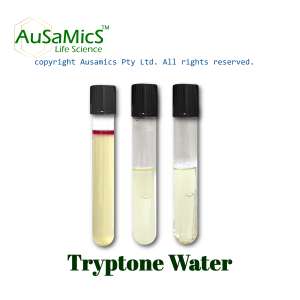
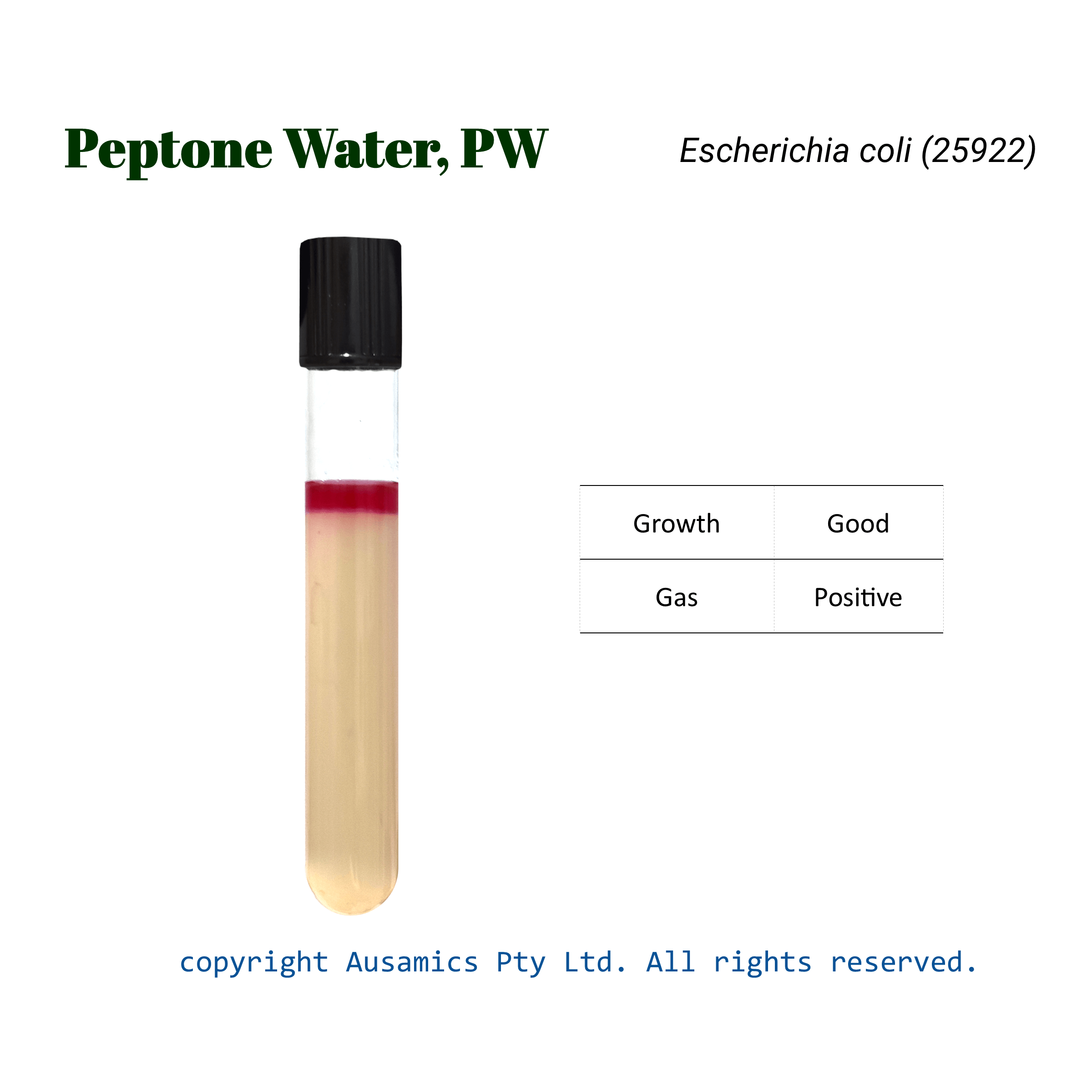
| Incubate at 35 ± 2 °C for 18 to 24 hours. For performing indole test, add 0.5 mL Indole Reagent (Kovacs) to the tubes. Formation of a red ring indicates a positive indole test. | ||
| Organism (ATCC) | Recovery | Indole Production |
| Enterobacter cloacae (13047) | Good | – |
| Escherichia coli (25922) | Good | + |